Tooth injury first aid
First aid for a hurt tooth
A fall or a knock to the mouth: what to do in the first minutes, for baby teeth and adult teeth.
 Clinical review: Dr. Farouk Rihani, consultant pediatric dentist. Reviewed November 2026.
We see dental emergencies the same day. Call first so we are ready. +962 79 660 0883
Injury finder
Two questions, then the right first aid
Baby teeth and adult teeth need different first aid, so we ask about the tooth first.
The steps for each case are listed further down this page. Step by step, for every case
Is it a baby tooth or an adult tooth?
Front adult teeth usually come in from about age 6, so a child of 6 to 12 can have both kinds at the front.
What happened to the tooth?
Answer both questions to see the steps.
Adult tooth knocked out: act now
Tick each step as you do it.
- Don't hold it by the root.
- Don't scrub it or rinse it under the tap.
- Don't let it dry out in a tissue or a pocket.
- Pain or swelling around the tooth in the days after.
- The tooth turning darker.
- The tooth feeling loose again.
Fainted, vomited or seems confused? Hospital first.
Baby tooth knocked out: don't put it back
Tick each step as you do it.
- Don't put it back in its place.
- Don't give hard food for a few days.
- If you can't find the tooth, tell us. It may have been pushed up into the gum.
- Swelling or a bump on the gum in the weeks after.
- Later, a white or brown mark on the adult tooth when it comes in.
Fainted, vomited or seems confused? Hospital first.
Not sure which tooth: keep it in milk
Tick each step as you do it.
- Don't put it back until we know which tooth it is.
- Don't let it dry out.
- Pain or swelling around the tooth in the days after.
- The tooth turning darker.
Fainted, vomited or seems confused? Hospital first.
Broken or chipped tooth
Tick each step as you do it.
- Don't throw the broken piece away. We can sometimes bond it back.
- Don't give very hot, very cold or hard food for now.
- A pink or red dot in the broken part: come in quickly.
- Pain from hot or cold that gets worse.
- The tooth turning darker in the weeks after.
Fainted, vomited or seems confused? Hospital first.
Loose, pushed-in or moved tooth
Tick each step as you do it.
- Don't wiggle it or push it back yourself.
- Don't pull out a loose baby tooth.
- The bite feels different, or this tooth touches first when your child closes.
- The tooth turning darker.
- Swelling or a bump on the gum near it.
Fainted, vomited or seems confused? Hospital first.
Cut lip, tongue or gum
Tick each step as you do it.
- Don't keep lifting the cloth to look. Press for 10 minutes.
- Don't put ice straight on the skin. Wrap it in a cloth.
- Bleeding that starts again or won't stop.
- A deep cut, or one that crosses the edge of the lip. It may need stitches.
- Fever or pus in the days after.
Fainted, vomited or seems confused? Hospital first.
Knocked-out adult tooth
The first minutes matter most
The living cells on the root start to suffer as soon as the tooth dries. Put it back, or keep it wet, and come straight in.
- Find the tooth. Hold it by the white crown, never by the root.
- If it is dirty, rinse it gently in milk, saline or your child's saliva. Don't scrub it, and don't use water.
- Put it back in its place and have your child bite gently on a clean cloth.
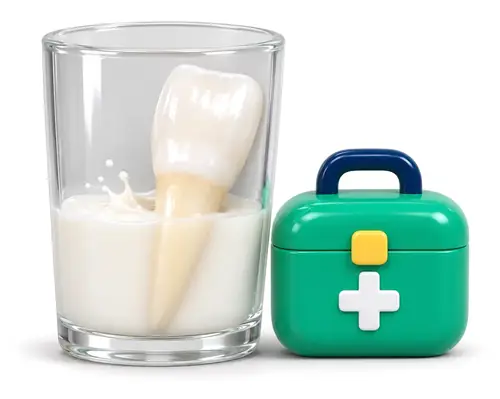
- If you can't, put the tooth in a cup of milk, or in your child's saliva in a cup.
- Come to us straight away and call on the way. The sooner the tooth is back, the better its chance.
Baby tooth? Never put it back. It can harm the adult tooth growing underneath. Keep it, and see us today.
Time since the tooth came out
Press the button when the tooth comes out.
The sooner an adult tooth is back in place, the better its chance.
Can't put it back?
Where should the tooth go?
Tap each one to check.
Back in its place
BestFor an adult tooth only. Never put a baby tooth back.
A cup of milk
GoodPut the tooth in the milk and bring it with you.
Saline from a pharmacy
GoodIf you have it at hand, it works well.
Your child's saliva in a cup
GoodAsk your child to spit into a cup and put the tooth in it.
Tap water
Last resortBetter than letting the tooth dry, but use milk or saliva if you can.
A tissue or a pocket
AvoidA tooth that dries out has less chance.
Milk allergy? Use your child's saliva or saline instead of milk.
After the visit
Looking after the tooth at home
For a few days
- Soft foodpasta, rice, yogurt
- Gentle brushingwith a soft brush
Watch for
- A tooth turning darkergrey, brown or pink
- Swelling or a bump on the gumnear the hurt tooth
Follow-up
- Check-ups after the injurywe will tell you when
- Call us any timeif something changes
Call us if anything changes: +962 79 660 0883
Myth or fact?
Check what you know before you need it
Six quick statements. Tap myth or fact.
A knocked-out baby tooth should be put back in.
Myth. Never put a baby tooth back. It can harm the adult tooth growing underneath.
Milk is a good place to keep a knocked-out tooth on the way to the dentist.
Fact. Milk keeps the cells on the root alive for longer. Saline or your child's saliva also work.
A dirty tooth should be scrubbed clean under the tap.
Myth. Scrubbing and water harm the root. Hold it by the crown and rinse it briefly in milk, saline or saliva.
If the tooth looks fine after a fall, there is no need for a check.
Myth. A knock can hurt the inside of a tooth with no sign at first. A check finds problems early.
A tooth that turns grey weeks after a fall should be checked.
Fact. A darker tooth can mean the nerve inside was hurt. Book a check so we can see what it needs.
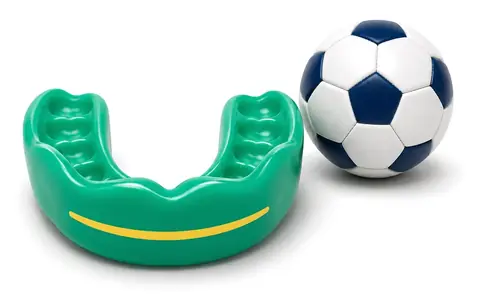
A mouthguard lowers the risk of tooth injuries in contact sports.
Fact. A mouthguard spreads the force of a hit. Ask us about one for your child's sport.
Prevention
Small habits, fewer injuries
Mouthguard
A mouthguard for football, basketball, martial arts and other contact sports.
Car seat
A car seat or seat belt on every trip.
Safe home
Stair gates and soft corners while a toddler is learning to walk.
How we treat dental injuries Soon
Quick reference
Step by step, for every case
Keep this page on your phone, or share it with your child's school or nursery.
Adult tooth knocked out: act now
- Find the tooth. Hold it by the white crown, never by the root.
- If it is dirty, rinse it gently in milk, saline or your child's saliva. Don't scrub it, and don't use water.
- Put it back in its place and have your child bite gently on a clean cloth.
- If you can't, put the tooth in a cup of milk, or in your child's saliva in a cup.
- Come to us straight away and call on the way. The sooner the tooth is back, the better its chance.
Baby tooth knocked out: don't put it back
- Don't put it back. It can harm the adult tooth growing underneath.
- Press clean gauze or cloth on the gum if it bleeds.
- Keep the tooth and call us for a check today.
Not sure which tooth: keep it in milk
- Don't put it back yet.
- Hold it by the crown and put it in a cup of milk.
- Call us now. We will tell you what to do while you come in.
Broken or chipped tooth
- Find the broken piece and keep it in water or milk. Bring it with you.
- Rinse your child's mouth with water.
- Hold something cold on the lip to ease the swelling.
- Come in today, sooner if the tooth hurts a lot.
Loose, pushed-in or moved tooth
- Don't wiggle the tooth or try to push it back yourself.
- Hold something cold on the lip and give soft food.
- Come in today. A tooth that looks fine can still be hurt inside.
Cut lip, tongue or gum
- Press firmly with clean gauze or cloth until the bleeding stops.
- Hold something cold on the outside of the lip.
- Go to a hospital emergency department if the cut is deep or keeps bleeding.
- Then let us check the teeth, even if they look fine.
Questions about tooth injuries
How fast do we need to come for a knocked-out adult tooth?Straight away. The sooner the tooth is back in place, the better its chance of staying.
My child knocked out a baby tooth. Will the adult tooth be all right?Usually, but a knock can affect the adult tooth growing underneath. That is why we check and follow up.
The tooth turned dark weeks after the fall. Why?A knock can hurt the nerve inside the tooth. Book a check so we can see what it needs.
Should we go to the dentist or the hospital?Hospital first if your child fainted, vomits, seems confused or a cut won't stop bleeding. For the teeth alone, come to us.
Do you see emergencies the same day?Yes. Call us first so we can be ready when you arrive.
Sources
- International Association of Dental Traumatology. Guidelines 2020: 2. Avulsion of permanent teeth.
- International Association of Dental Traumatology. Guidelines 2020: 3. Injuries in the primary dentition (AAPD).
- American Academy of Pediatric Dentistry. Avulsion flow sheet: first aid and storage media.
- Potter R, Granger C. Milk allergy, tooth avulsion and appropriate storage media. Dental Update, 2024.

Visit us
Magic Tooth Dental Center, 1st floor, Building 192Princess Basma Street, Abdoun, Amman
- Saturday to Wednesday
- 9 am – 7 pm
- Thursday
- 9 am – 2 pm
- Friday
- Closed
WhatsApp is answered in the evening too.