Early childhood caries
Tooth decay in baby teeth before age six: how to spot it, how we treat it in Abdoun, and how to stop it at home.
 Clinical review: Dr. Farouk Rihani, consultant pediatric dentist. Draft, November 2026.
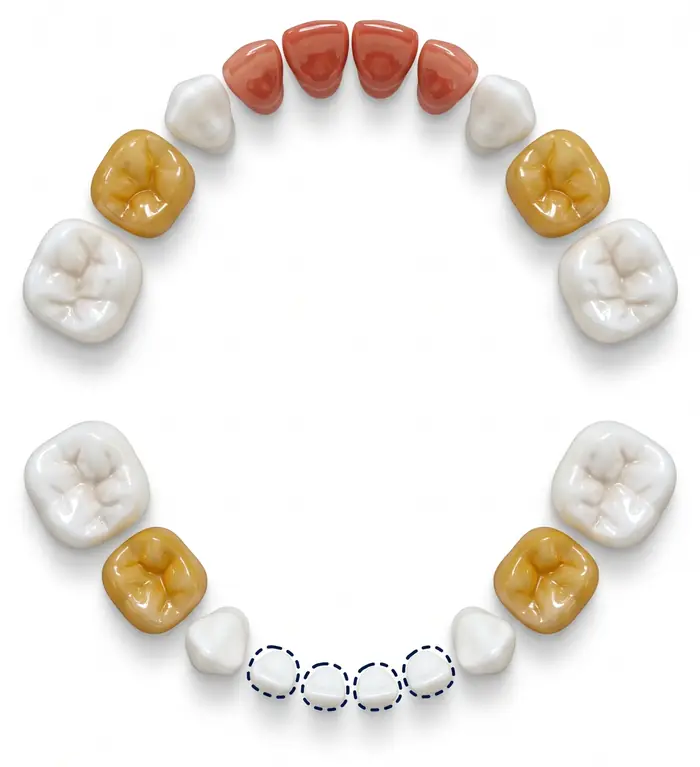
- Often first
- Often next
- Often spared
Decay usually starts on the upper front teeth, along the gum. The lower front teeth are often spared, protected by the tongue and saliva.
What early childhood caries is
Early childhood caries is tooth decay in any baby tooth of a child under six. A tooth counts as affected when it has a cavity, an early white spot of decay, a filling, or was taken out because of decay. That is the definition used by the American Academy of Pediatric Dentistry.
It is one of the most common long-term diseases of childhood. You may also hear it called baby bottle tooth decay or nursing caries.
Why it happens
Mouth bacteria turn sugar into acid, and the acid dissolves enamel. Baby teeth have thinner enamel, so decay moves faster in them. The common causes are:
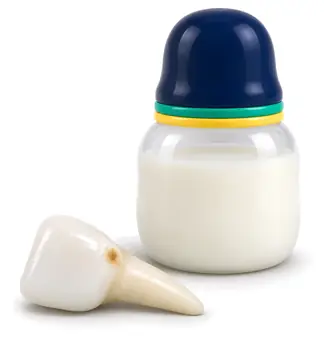
- Falling asleep with a bottle of milk, formula or juice, or long, frequent night feeds once teeth are in.
- Sipping sweet drinks or snacking through the day.
- Brushing without fluoride toothpaste, or not brushing every day.
- Bacteria passed from a parent’s mouth, for example by sharing a spoon.
Breastfeeding is good for your baby. The risk comes from long, frequent feeds through the night after teeth come in, without brushing.
How we treat it
The treatment depends on how far the decay has gone. We start with the gentlest option that will work.
Early decay
- Fluoride varnish and home careSoonHardens chalky white spots again
- Silver diamine fluoride (SDF)SoonStops decay without drilling; the decayed part turns black
Cavities
- Tooth-colored fillingsIn clinicFor small and medium cavities
- Pulp treatmentSoonWhen decay reaches the nerve of the tooth
- Zirconia crownsSoonFor badly broken front or back teeth
Advanced decay
- ExtractionSoonWhen a tooth can’t be saved
- Space maintainerSoonKeeps room for the adult tooth after an early extraction
Comfort
- Laughing gasSoonHelps an anxious child relax, awake
- General anesthesiaSoonWhen many teeth need treatment, all in one visit
Prevent it at home
These habits follow the American Academy of Pediatric Dentistry’s advice for young children.
Under 3 years
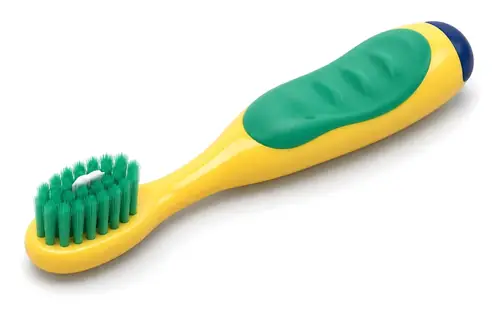
- Brush twice a day with a smear of fluoride toothpasterice-grain size
- No bottle in bed, no milk or juice at night once teeth are inwater only
3 to 6 years
- Brush twice a day with fluoride toothpastepea size
- Brush for your child, or help, until they do it wellparent’s job
- Spit out the toothpaste, don’t rinsekeeps the fluoride
At every age
- Water between meals, sweets only with mealsevery day
- First dental visitby the 1st birthday
- Check-up and fluoride varnishusually every 6 months
Goalno new decay between visits
Who will see your child
We are Mai Altayeh and Farouk Rihani, consultant pediatric dentists working side by side at Magic Tooth Dental Center in Abdoun. Our work is children’s teeth, from the first tooth to the teenage years.
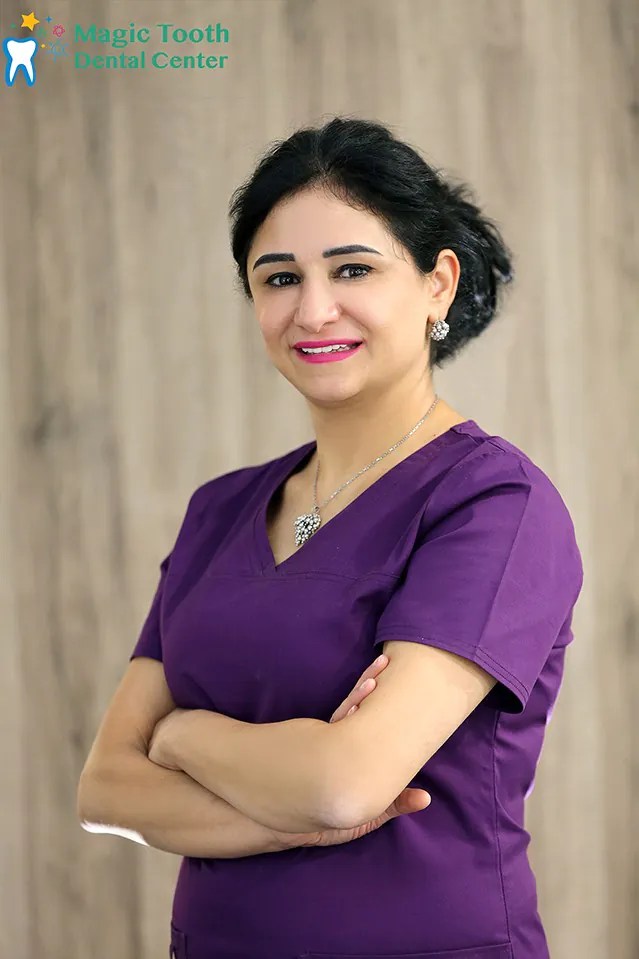
Dr. Mai Altayeh
Consultant pediatric dentist and special care dentist
MSc Pediatric Dentistry, University of Liverpool (2002). More than 20 years of practice, with laughing gas and treatment under general anesthesia.
Read profileDr. Farouk Rihani
Consultant pediatric dentist
Jordanian Board in Pediatric Dentistry (2004). More than 30 years in dentistry, with a special interest in children with special health care needs.
Read profile
Questions about tooth decay in children
Baby teeth fall out anyway. Why treat them?Back baby teeth stay until about age 10 to 12. Until then they hold space for the adult teeth and help your child chew and speak, and an untreated cavity can turn into pain and an abscess.
Can early decay heal?Chalky white spots can harden again with fluoride varnish, fluoride toothpaste and less sugar. Once there is a hole, the tooth needs treatment.
Is silver diamine fluoride safe for children?Yes. It is used around the world to stop decay in baby teeth without drilling. The decayed part turns black, so we discuss it with you first, especially for front teeth.
My child won’t sit still. Can you still treat the decay?Yes. We start with a calm visit and can use laughing gas. For young children with many cavities, we can treat everything in one visit under general anesthesia.
How often should my child have a check-up?Usually every six months. Children with a lot of decay may need visits more often.
Does fruit juice cause decay?Juice is sugar. Keep it to mealtimes, or give water and whole fruit instead.

Visit us
Magic Tooth Dental Center, 1st floor, Building 192Princess Basma Street, Abdoun, Amman
- Saturday to Wednesday
- 9 am – 7 pm
- Thursday
- 9 am – 2 pm
- Friday
- Closed
WhatsApp is answered in the evening too.